
How many restrooms does a marathon or race need?
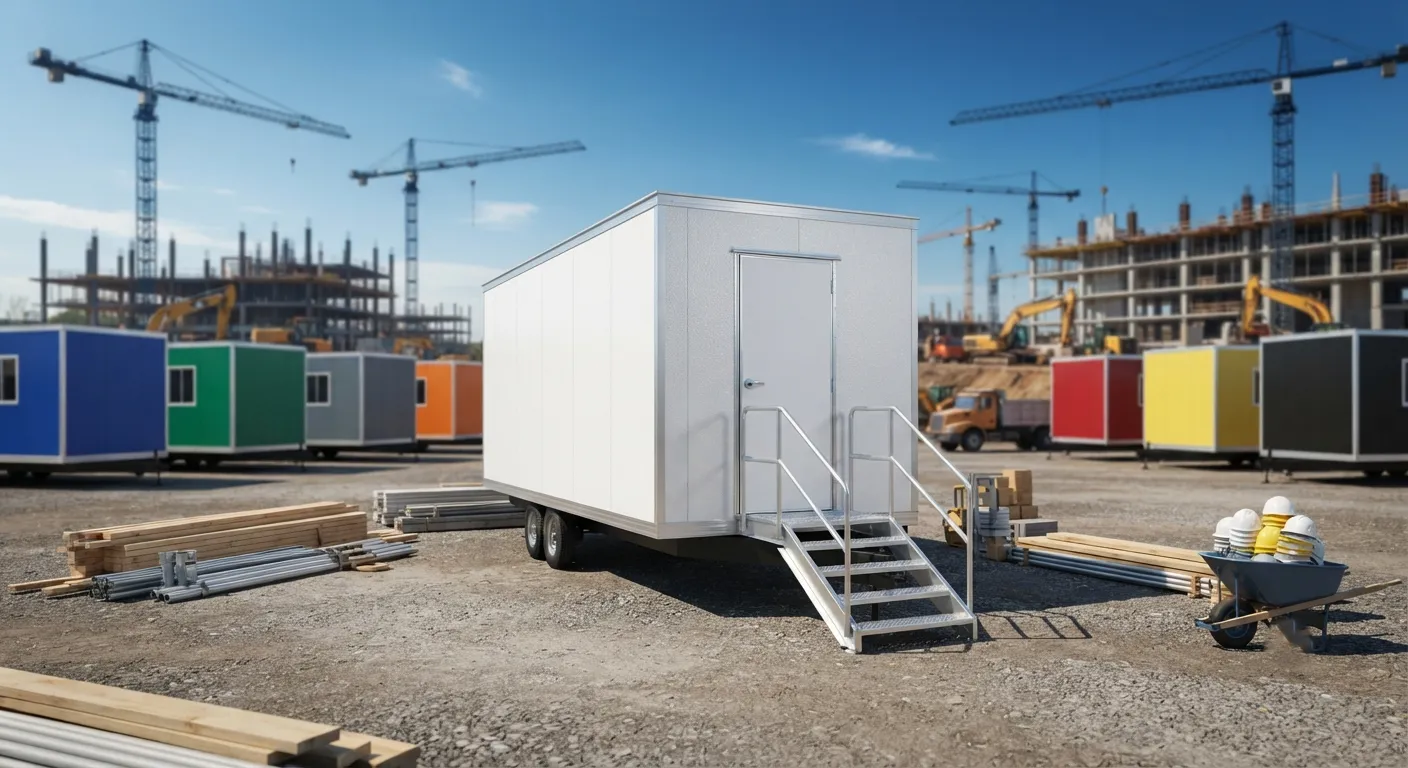
Course length and runner count drive the count more than anything else. A 5K through downtown Indio needs fewer stations than a full marathon looping toward La Quinta, 8.3 miles south, because you're covering more ground and more hours. Start with how many porta potties do I need as a baseline, then add units at aid stations, not just the start and finish. OSHA 1926.51(c) sets ratios for worksites, one toilet for 20 workers or fewer, but a race is a public event with spectators too, so plan closer to one unit per 200 to 300 participants plus a cluster at the finish line where people linger. Add at least one ADA accessible porta potty per cluster; ADA Standards 213.2 requires 5 percent of clustered units be accessible, never fewer than one. A standard porta potty rental covers most course points, while a deluxe flushable porta potty or a full restroom trailer rental makes sense at the finish festival where people wait longer and want a sink. For bigger draws, look at an 8 stall restroom trailer rather than doubling up on singles.
Where should restrooms go along a race course?
Every aid station needs a restroom within sight of the water table, and every restroom needs a truck that can reach it without driving through the runner lane. That's the real planning problem: placement guides for parking lots don't cover a course that moves through streets and closes lanes on a schedule. Read the porta potty placement guide before you finalize your map, and check porta potty permit requirements early, since street closures and right-of-way placement in Indio typically need city sign-off and that needs confirming with the city before race day. If your event runs power for timing equipment, a light tower or a temporary power pole may sit near the finish line too. Here's a detail race directors miss: how to brace a temporary power pole matters as much as where you put it, because a pole that isn't properly guyed or braced against its base can shift when a generator cable gets tugged mid-race, and that's a hazard next to a crowd. Keep poles clear of the runner corridor and brace them before the course opens. Pair restrooms with handwashing station rental units at food and aid stations; 29 CFR 1910.141(d)(2) requires soap and towels or a hand-drying device at wash stations, not sanitizer alone. Fence off generators and equipment with crowd control barrier rental or temporary fence rental so spectators and course traffic stay separated near the finish.
What does it cost to rent restrooms for a race?
Race pricing runs on an event rate, not a straight daily or weekly number, because setup, servicing between waves and teardown all happen inside one compressed window.
| unit | typical event range |
|---|---|
| standard unit | $200 to $400 |
| deluxe flushable unit | $85 to $1,200 (day rate, scales with add-ons) |
| restroom trailer | $2,499 to $3,899 |
Delivery adds $100 to $500 depending on distance and access, and a service fee of $100 to $300 covers a mid-event pump-out if your race runs long or draws a big crowd. Check porta potty rental cost and restroom trailer rental cost for how those bands break down further. If your race is smaller, a porta potty rental per day quote might beat the event rate; ask Indio Porta Pros to compare both before you book. For multi-day festivals tied to the race weekend, monthly porta potty rental pricing sometimes works out cheaper than booking three separate weekend events back to back.
How far in advance should I book race restrooms?
Book as soon as your course map and permit are close to final, since restroom placement depends on street closures and aid station locations that can shift. Races drawing crowds from Coachella, 8.3 miles southeast, or Rancho Mirage, 14.1 miles west, often need extra units for out-of-town spectators.
Can I get restrooms for a race that starts before sunrise?
Yes. Indio Porta Pros can deliver the evening before so units are staged and serviced before a pre-dawn start. Confirm access roads stay clear for delivery trucks under porta potty placement guide rules.
Do I need ADA units for a race open to the public?
Yes, any public event needs accessible units. ADA Standards 213.2 requires at least 5 percent of clustered units be accessible, with a 60 inch turning space per ADA 304.3.1 nearby.
What happens if the race runs longer than planned?
Order a mid-event service call. The $100 to $300 service fee covers a pump-out between waves so units stay usable through awards and teardown.
Can restrooms double for a training run or smaller local race?
Yes. A festival restroom rental or marathon and race restrooms package scales down easily; talk to Indio Porta Pros about a smaller footprint for local Indio training races.
Next step
Get a delivery date
Tell us the address, the dates and the headcount. We size the order and confirm the route.